
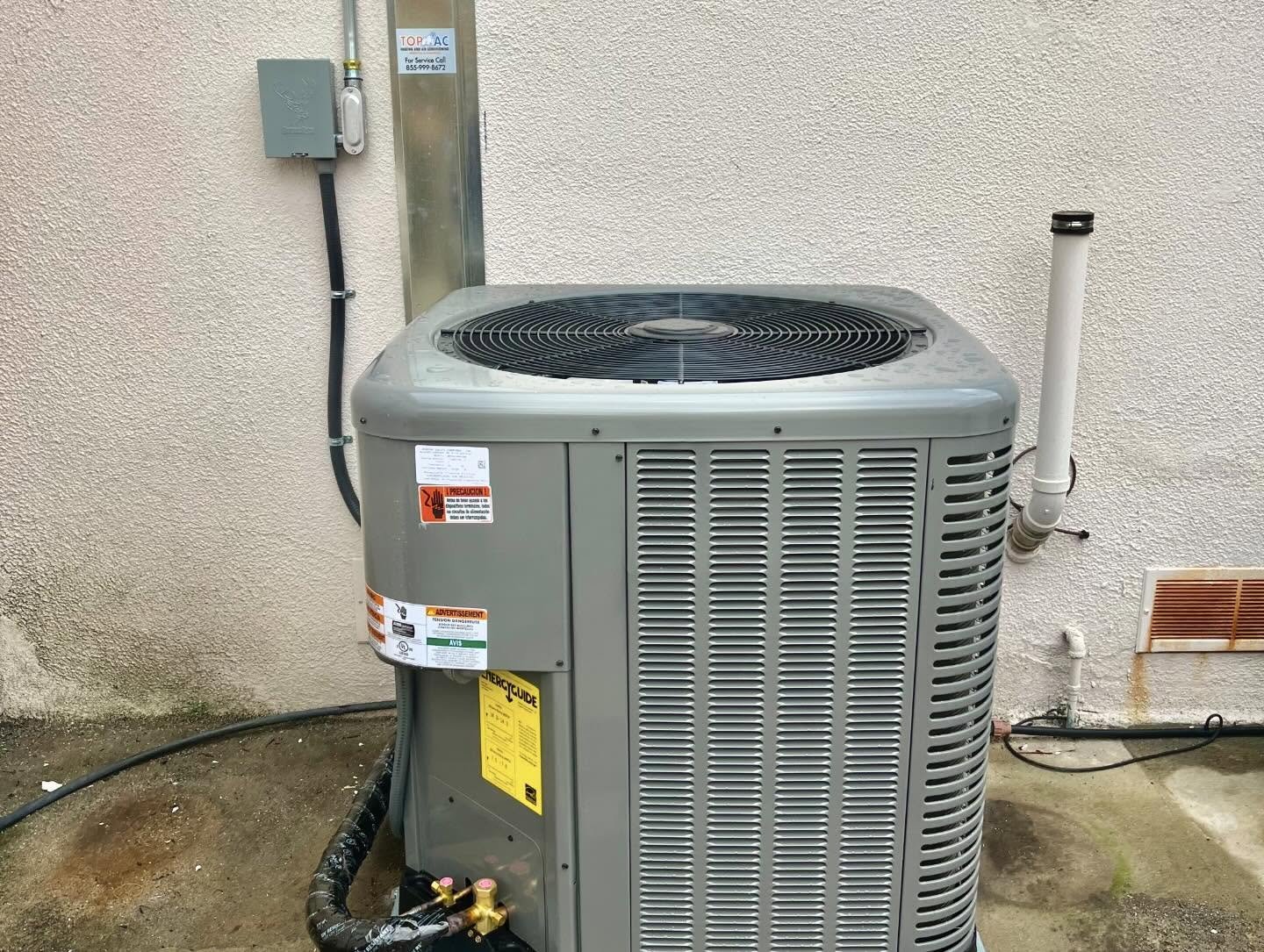
Your AC is running, the fan is spinning, but the air coming out feels more lukewarm than cold. One of the most common causes — and one homeowners can’t diagnose on their own — is low refrigerant. Unlike gasoline in a car, refrigerant doesn’t get “used up” during normal operation. If your system is low, it means it’s leaking somewhere, and simply adding more without finding the leak just delays the same problem.
This guide covers the real signs of a refrigerant issue, why it’s not a DIY fix, and what a proper recharge actually involves.
Cooling By Design is headquartered at 21201 Victory Blvd, Suite 125, Canoga Park, CA 91303. Licensed (#1148982) and EPA-certified for refrigerant handling. Call (877) 702-6654.
Signs Your AC May Be Low on Refrigerant
- Warm or weak airflow — the system runs but never quite reaches your set temperature, especially during peak afternoon heat.
- Ice on the refrigerant lines or indoor coil — counterintuitively, low refrigerant causes freezing, not just weak cooling, because pressure inside the coil drops below the freezing point of moisture in the air.
- A hissing or bubbling sound near the indoor or outdoor unit, often the sound of refrigerant escaping through a leak point.
- Longer cooling cycles — the system runs much longer than usual to reach the same temperature it used to hit quickly.
- Higher electric bills without a clear change in usage, since a low-refrigerant system works harder for less cooling.
Why You Can’t Just “Top It Off”
Refrigerant operates in a sealed, closed loop. A properly functioning AC system should never lose refrigerant over time. If your system is low, refrigerant is escaping somewhere — a worn coil, a corroded line, a bad connection — and simply adding more without repairing the leak means you’ll be right back to the same symptoms within months, having paid for refrigerant that leaked out into the atmosphere.
It’s also worth knowing that refrigerant work in California requires EPA Section 608 certification. This isn’t a legal technicality for its own sake — handling refrigerant improperly can damage your system’s compressor and is genuinely harmful to release into the air, which is exactly why it’s regulated.
What a Proper Refrigerant Service Actually Involves
- Leak detection — using electronic leak detectors or UV dye to find the exact source, not guesswork.
- Repair the leak point — sealing or replacing the specific failed component before adding any refrigerant.
- Evacuate the system — removing all air and moisture from the lines using a vacuum pump, since contamination reduces efficiency and can damage the compressor.
- Recharge to manufacturer specification — refrigerant is weighed in precisely, not added by feel, since overcharging is just as harmful as undercharging.
- Verify performance — checking pressures and temperature split to confirm the system is operating correctly before the technician leaves.
What This Typically Costs in Canoga Park
A refrigerant leak repair and recharge typically runs $300 to $700 depending on the leak’s location and how much refrigerant the system requires. Older systems using R-22 refrigerant — which has been phased out nationally — cost significantly more to recharge due to limited supply, which is often the point where replacement becomes the more sensible option. See our guide on repair versus replacement if your system is older and needs recurring refrigerant work.
Our Service Area
Cooling By Design provides refrigerant diagnostics and EPA-certified service from our Canoga Park headquarters across:
- Canoga Park
- Woodland Hills
- West Hills
- Chatsworth
- Reseda
- Northridge
- Granada Hills
- Porter Ranch
- Tarzana
- Encino
- Sherman Oaks
- Winnetka
- Calabasas
- Van Nuys
Frequently Asked Questions
Can I check my own refrigerant level at home?
Not accurately or safely. Checking refrigerant pressure requires gauges connected to the system’s service ports, along with the training to interpret the readings correctly relative to outdoor temperature and system type.
Is it illegal to recharge my own AC with refrigerant bought online?
For most residential systems, purchasing and handling refrigerant requires EPA Section 608 certification. Retail “recharge kits” sold for cars are not appropriate for home HVAC systems and can cause serious damage if used incorrectly.
How do I know if it’s a refrigerant issue versus something else?
Ice on the lines, hissing sounds, and weak cooling despite normal airflow all point toward refrigerant. A professional diagnostic with gauges is the only way to confirm it rather than guess.
How often does a normal AC system need refrigerant added?
Never, in a properly sealed system. Needing refrigerant added at any point means there’s a leak somewhere that should be located and repaired, not just topped off repeatedly.
Is refrigerant recharge covered under warranty?
It depends on the cause and the age of the system. A leak caused by a manufacturing defect within the warranty period is often covered; general wear-related leaks on an older system typically are not.
Think Your System Is Low on Refrigerant? Get It Checked Properly
Call (877) 702-6654 for an EPA-certified refrigerant diagnostic from a licensed Canoga Park HVAC contractor, or schedule online here. Email office@coolingbydesign.com. License #1148982. 21201 Victory Blvd, Suite 125, Canoga Park, CA 91303.