
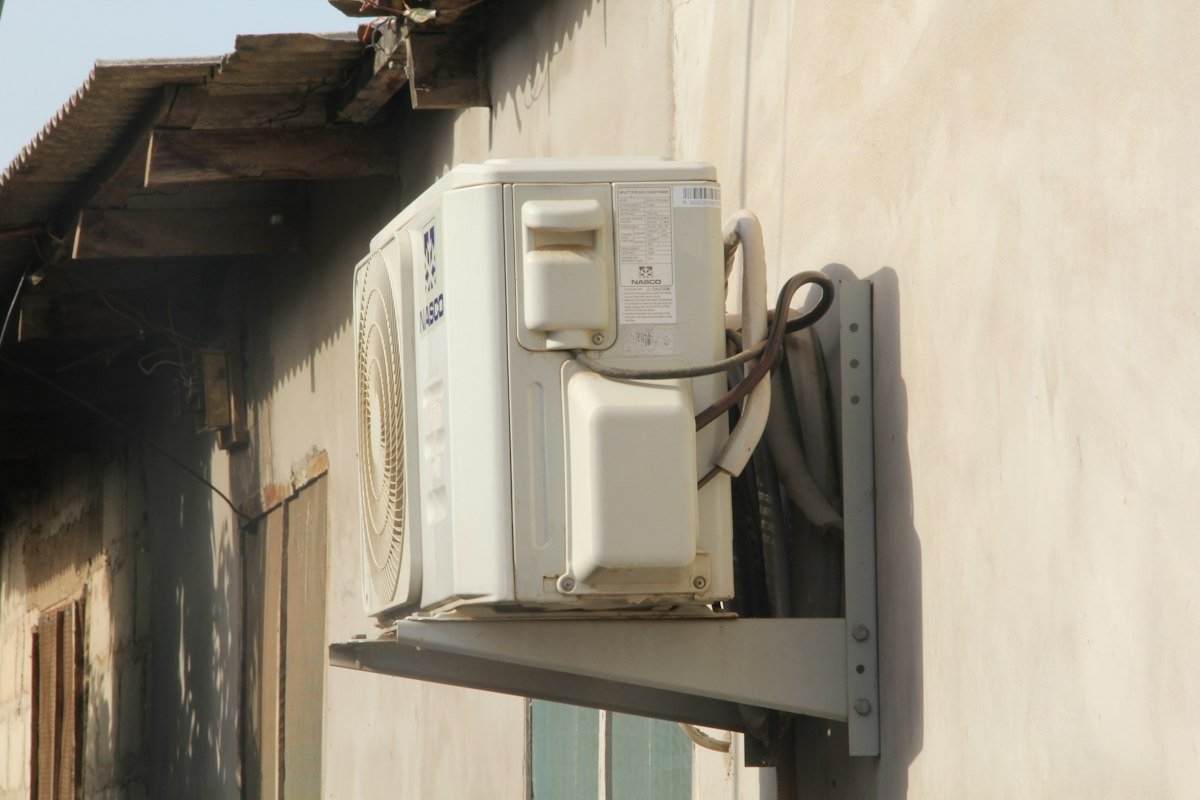
You are sitting in your Canoga Park living room when you hear it — a grinding sound from outside, or a rattle from the vent above you that was not there yesterday. Your first instinct might be to turn the volume up on the TV and hope it goes away. That instinct is usually wrong. AC systems do not make new noises for no reason, and the specific sound your system is making is actually one of the most useful diagnostic clues you have before a technician ever arrives.
This guide breaks down the most common AC noises, what each one typically means, and which ones mean you should call today rather than next week.
Cooling By Design is headquartered at 21201 Victory Blvd, Suite 125, Canoga Park, CA 91303. Licensed (#1148982) and available for diagnostic visits. Call (877) 702-6654.
Grinding or Screeching
This is almost always a motor bearing issue — either in the outdoor condenser fan motor or the indoor blower motor. As bearings wear down, they lose lubrication and begin to grind metal against metal. This will not resolve on its own and will get progressively louder until the motor seizes completely. A seized motor is a far more expensive repair than replacing a worn bearing early, making this one of the noises worth addressing immediately rather than waiting.
Clicking (Especially Repeated Clicking on Startup)
A single click when the system turns on or off is normal — that is the relay engaging. Repeated or rapid clicking, especially if the system struggles to start afterward, usually points to a failing relay, a worn contactor, or in some cases a control board issue. Left unaddressed, this often progresses to the system failing to start at all.
Banging or Clanking
This is one of the more serious noises to hear, and it typically means a loose or broken part inside the compressor itself — a connecting rod, a piston pin, or a similar internal component. Banging noises warrant shutting the system off and calling for service rather than continuing to run it, since continued operation can turn a compressor repair into a full compressor replacement, one of the most expensive components in the entire system.
Hissing or Bubbling
Hissing frequently indicates a refrigerant leak, particularly if it is accompanied by reduced cooling performance. Bubbling sounds can indicate refrigerant escaping through a leak point in the lines. Both require a licensed technician with recovery equipment — refrigerant work is regulated and not something to attempt without EPA certification, and running a system with a refrigerant leak for an extended period can damage the compressor.
Buzzing
Buzzing is most often electrical in nature: a loose wire connection, a failing contactor, or a capacitor nearing the end of its life. Capacitor failure specifically is the most common repair call in the Canoga Park market, largely due to how hard the San Fernando Valley’s extended summer heat works these components. Buzzing can also come from a fan blade that has come loose or is hitting something inside the unit housing.
Rattling
Rattling is often the least urgent of these noises but still worth checking. Common causes include loose panels or screws on the outdoor unit (sometimes just needing a tightening), debris such as small branches or leaves caught in the outdoor fan, or a loose part working its way free over time. Before calling for service, it is safe to visually inspect the outdoor unit for obvious debris and confirm the access panels are secured.
Humming That Is Louder Than Usual
A consistent hum is normal for a running AC system. A hum that has clearly gotten louder over time, especially paired with the system struggling to start, often points to a failing capacitor or motor — components that are working harder to do the same job as they wear down.
Whistling
Whistling usually indicates airflow restriction somewhere in the system — most commonly a severely clogged air filter, but also can indicate a duct issue or a partially closed damper. Check and replace the filter first; if the whistling continues, the restriction is likely elsewhere in the ductwork.
Noises That Mean Stop the System and Call Now
- Banging or clanking from the outdoor unit
- Any noise paired with a burning smell
- Grinding that has progressively worsened over days
- Hissing paired with a noticeable drop in cooling performance
For a full breakdown of what happens when a noise has already turned into a complete system failure, see our same-day emergency AC repair guide.
What Happens During a Noise Diagnostic Visit
When you call about a specific noise, your technician will ask you to describe it in detail — when it happens, how long it lasts, whether it is constant or intermittent. This detail matters and speeds up the visit considerably, so it is worth taking thirty seconds to note when the noise occurs before you call. On site, the technician performs electrical testing under load, checks refrigerant pressures, and physically inspects both the indoor and outdoor units for loose components, worn parts, or debris. You receive a written explanation of the cause and a written quote before any repair is authorized.
Preventing Noise-Related Failures
Most of the components responsible for these noises — capacitors, contactors, motor bearings, refrigerant charge — are directly inspected during routine professional maintenance, often catching wear before it produces an audible noise at all. View our maintenance plan tiers to see what a bi-annual tune-up covers.
Our Service Area
Cooling By Design provides AC diagnostics and repair from our Canoga Park headquarters across:
- Canoga Park
- Woodland Hills
- West Hills
- Chatsworth
- Reseda
- Northridge
- Granada Hills
- Porter Ranch
- Tarzana
- Encino
- Sherman Oaks
- Winnetka
- Calabasas
- Van Nuys
Frequently Asked Questions
Is it safe to keep running my AC if it is making noise?
It depends on the noise. Rattling or occasional clicking is usually safe to run for a day or two before a scheduled visit. Banging, grinding, or hissing paired with reduced cooling should prompt shutting the system off and calling right away.
What is the most common noise complaint you get in Canoga Park?
Buzzing tied to capacitor wear is the most common, especially during the peak of summer when the electrical components that start the compressor are under the most strain.
Can a dirty air filter really cause noise?
Yes — a severely clogged filter restricts airflow enough to cause whistling and can also cause the blower motor to work harder, sometimes producing an audible strain. Always check the filter first before assuming a mechanical failure.
How much does it cost to fix a noisy AC unit?
It depends entirely on the cause. A capacitor replacement runs $150-$300, a contactor $150-$280, while a compressor issue can run well over $1,000. A proper diagnostic identifies the specific cause before any cost estimate is meaningful.
Will a professional tune-up catch these issues before they get loud?
In most cases, yes. Worn bearings, weak capacitors, and loose components are typically identified during a hands-on inspection well before they produce a noise a homeowner would notice.
Hearing a Noise That Wasn’t There Before? Get It Checked
Call (877) 702-6654 for a diagnostic visit from a licensed, locally based Canoga Park HVAC contractor, or schedule online here. Email us at office@coolingbydesign.com. License #1148982. 21201 Victory Blvd, Suite 125, Canoga Park, CA 91303.